Story · Test automation
Building a test system worth patenting
Sometimes the right tool for continuous testing does not exist yet. So we built one — and it turned out novel enough to patent.
Joining as the first engineer brought in to help a development team with testing, the job was not just to write tests — it was to make testing something the whole organisation could lean on without it slowing anyone down.
The result was a model-driven continuous test automation system, built in Python on top of Appium, Selenium and a handful of small open tools. Tests were derived from models of how the product should behave, and the system was modular and plug-and-play: new capabilities and target platforms could be slotted in without rebuilding the harness each time.
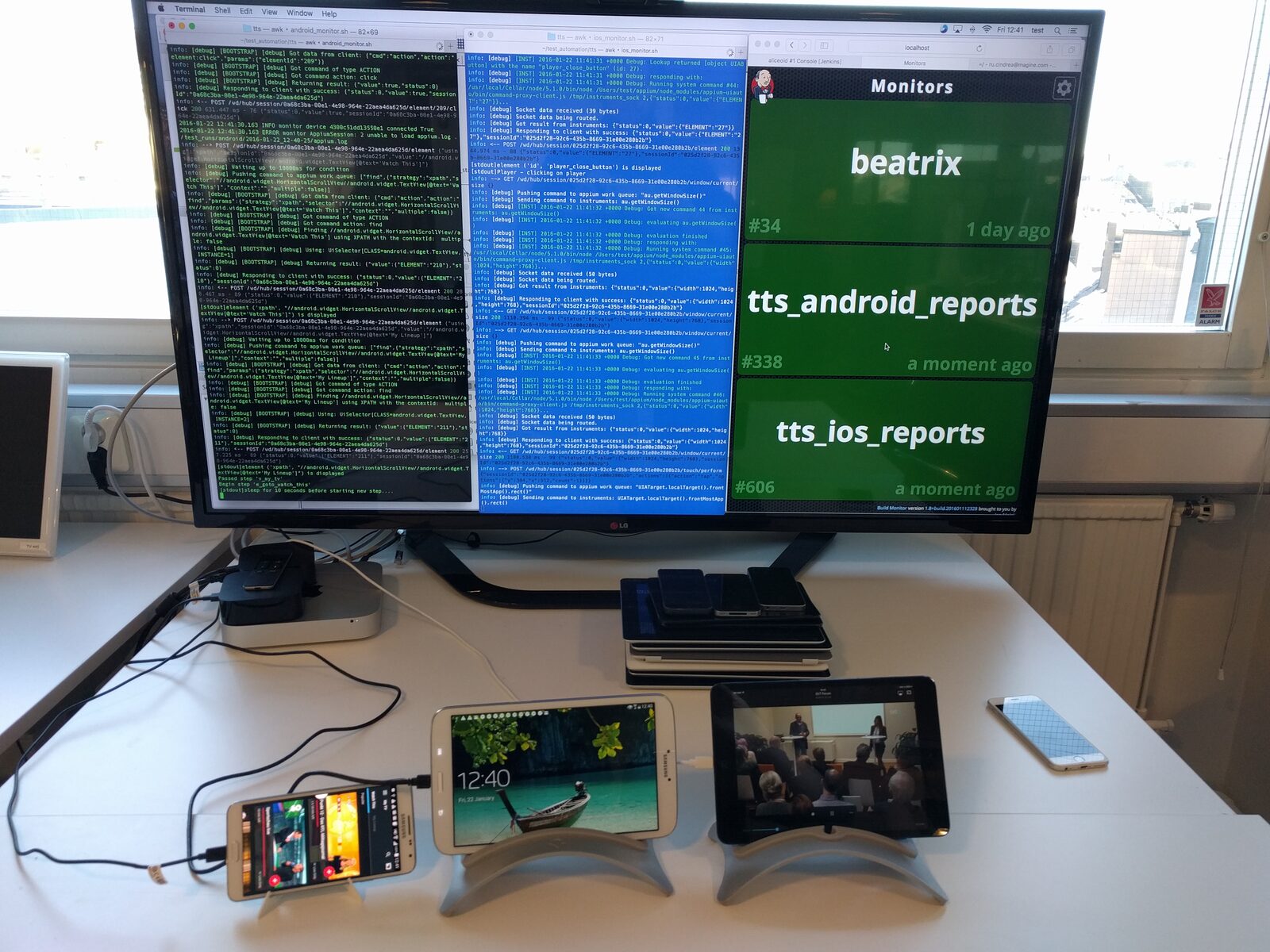
It worked well enough, and was different enough from what existed, that it became a granted patent: US 9,916,231 B2 — “Modular plug-and-play system for continuous model-driven testing.”
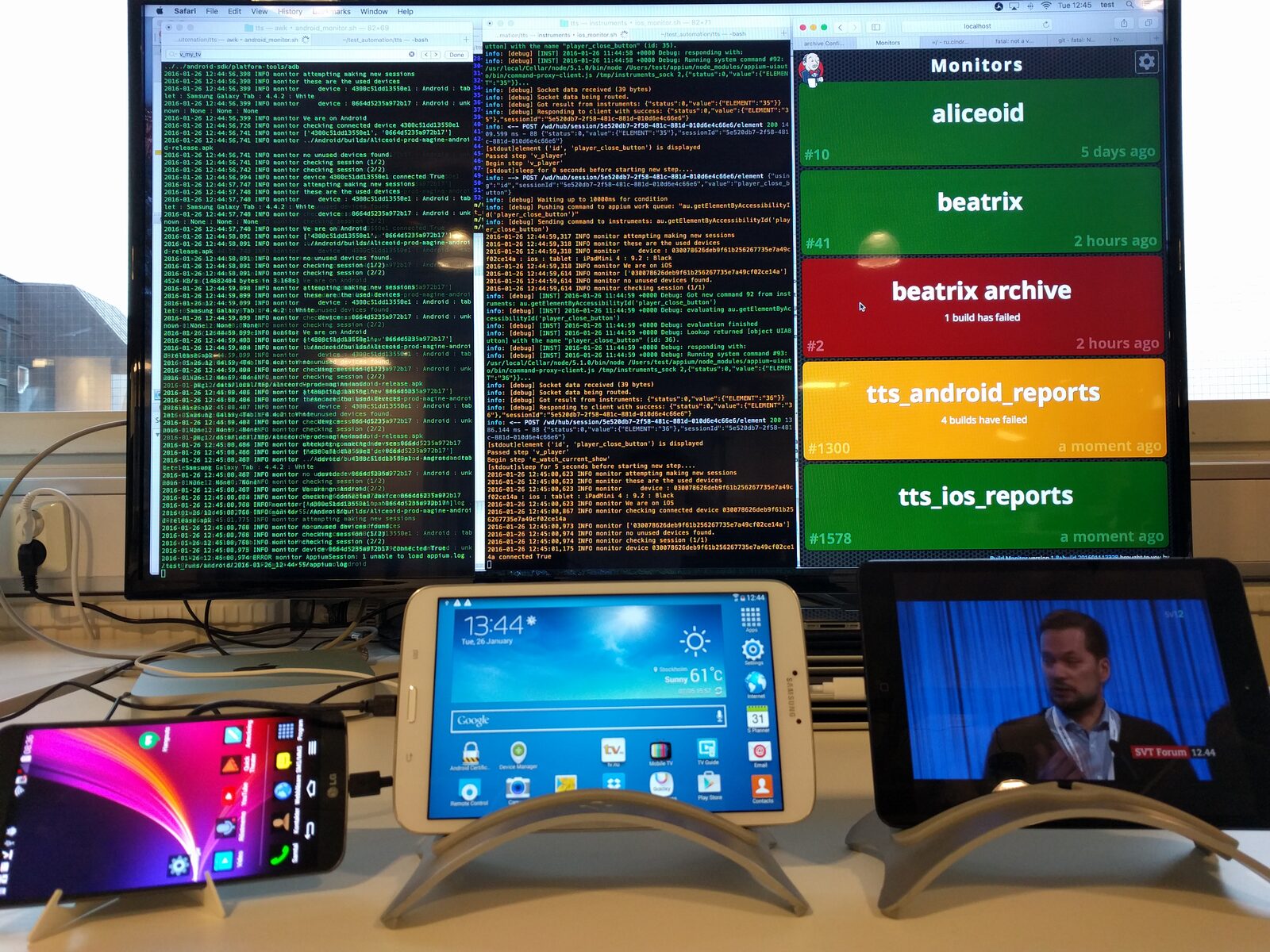
More important than the patent was the effect on the team: testing branched into every part of development without adding process overhead, and we went from pitching the importance of testing to developers asking for more testers.
Have a system that needs this kind of attention?
Tell us where your current testing approach breaks down. We will help you define a practical path forward.
Talk to WhileOne